How to Set Up a Wildlife-Friendly Garden for Birds: A Month-by-Month Checklist
Feeding the birds is the easy part. Hang a feeder, fill it with sunflower hearts, and something will find it within days. Making a garden genuinely good for birds across the whole year takes a little more thought — though rarely much more effort. Most of what helps is routine: some planting, a little tidying at the right time, a source of water, and a few undisturbed corners. Birds need more than a free meal. They need insects to feed their young, dense shrubs for nesting, water for drinking and bathing, and shelter from predators and bad weather. A wildlife-friendly garden provides all of that, and it can still look tidy and beautiful. The checklist below breaks the year into manageable months, so you can build habitat steadily rather than trying to do everything at once.
The Three Essentials: Food, Water, Shelter
Before diving into the monthly tasks, it helps to understand what birds are actually looking for. Every garden visit comes down to three basic needs. If you can provide them consistently, you will attract a wider variety of species and keep them coming back.
- Food: This includes feeders, but also natural food like insects, berries, seeds, and nectar. A garden that only offers feeders will support fewer species than one with plants that produce food year-round.
- Water: A birdbath or small pond is often the single most effective addition. Birds need water for drinking and bathing, and they will visit even a tiny dish if it is kept clean and unfrozen.
- Shelter: Dense shrubs, hedges, trees, and nest boxes provide safe places to rest, roost, and raise young. Evergreens are especially valuable in winter.
Month-by-Month Checklist
January
Start with a plan. Walk around the garden and note where the sun falls, where the wind blows, and where you could add a shrub or a small tree. Prune any deciduous trees or shrubs that need it, but check for active nests first — some birds begin early. Put up nest boxes now so they have time to weather in. Keep feeders clean and topped up, and make sure water is not frozen. High-fat foods like suet are especially valuable in cold snaps.
February
This is the ideal month for planting bare-root trees and shrubs, which are cheaper and establish better than pot-grown ones. Choose native species such as hawthorn, blackthorn, hazel, or rowan. If you have not already, clean out old nest boxes and remove any damp nesting material. Continue providing high-energy food, and start thinking about nesting material: leave out small bundles of moss, pet hair, or dried grass.
March
Nesting season begins in earnest. Avoid pruning hedges or shrubs until late summer, as birds may be building. Put out nesting material in a clean wire basket or hang it from a branch. Plant early-flowering plants like primroses, hellebores, and crocus to attract early insects. Keep the birdbath clean and full. If you use feeders, clean them every week with hot soapy water to prevent disease.
April
Peak nesting time. Keep disturbance to a minimum near hedges and nest boxes. Offer live mealworms if you can — they are excellent for feeding chicks. Plant nectar-rich flowers such as foxgloves, wallflowers, and lavender. Leave a few dandelions and daisies in the lawn for early pollinators. Avoid all pesticides and herbicides; let the insects thrive, because they are the food supply for most garden birds.
May
Chicks are hatching, and parents need a steady supply of insects. Continue with live mealworms, and add a shallow dish of water at ground level for bathing. Plant containers with annuals like nasturtiums and calendula. If you have a cat, keep it indoors or fit a bell and a quick-release collar. Do not cut back hedges yet. If you find a fallen fledgling, leave it alone unless it is in immediate danger — the parents are usually nearby.
June
Fledglings appear, looking scruffy and vulnerable. Keep feeders stocked with seeds, nuts, and fat balls. Provide shallow water for drinking and bathing. Leave seed heads on plants like alliums and poppies. Plant late-flowering perennials such as echinacea, rudbeckia, and sedum. These will provide nectar for insects and seeds for birds later in the year. Keep an eye on feeders for signs of disease, and clean them regularly.
July
The summer slump can hit: natural food is plentiful, so birds may ignore feeders. Do not worry. Keep water fresh and available. Offer fruit such as halved apples, pears, or berries. Leave a wild corner with long grass and log piles. Do not cut hedges yet — many birds are still nesting or feeding young. If you go on holiday, ask a neighbour to top up feeders and water.
August
Start planting autumn-flowering plants like asters, Japanese anemones, and sedums. These will extend the nectar season. Leave seed heads on sunflowers, teasels, and grasses for birds to eat. Keep the birdbath clean and full. Clean feeders thoroughly and consider moving them to a new spot to avoid a build-up of droppings and disease. If you have a lawn, leave it a little longer and avoid weedkillers.
September
Migration season. Many birds are passing through, and they need high-energy food. Keep feeders well stocked with sunflower hearts, peanuts, and suet. Plant spring bulbs like daffodils, crocus, and snowdrops — they will provide early nectar for insects next year. Leave ivy to flower and berry; it is a vital autumn and winter food source. Clean out nest boxes and remove old nests.
October
Put up feeders if you have not already, and make sure they are clean and secure. Plant trees and shrubs while the soil is still warm. Leave leaf litter in borders and under hedges — it provides habitat for insects, which in turn feed birds. If you have a pond, clear a small area of fallen leaves but leave the rest for wildlife. Provide a roost box for small birds.
November
Winter is coming. Provide high-fat foods such as suet balls, fat cakes, and peanuts. Keep water ice-free by floating a small ball or using a birdbath heater. Leave seed heads on plants like teasels and coneflowers. Put up a roost box if you have not already. Check that feeders are secure against squirrels and rats. Avoid disturbing any hibernating wildlife in log piles or compost heaps.
December
Enjoy the birds. Keep feeders full and clean, especially during cold snaps. Provide unfrozen water daily. If snow covers the ground, scatter a little birdseed on a cleared area. Take time to plan next year's garden: what worked, what did not, and where you could add more native plants. A quiet winter garden is a haven for birds, and your efforts will pay off in spring.
Water: The Overlooked Essential
If you do only one thing for birds this year, add water. A simple birdbath, a shallow dish, or a small pond will attract more species than any feeder. Birds need water for drinking and bathing, and they will visit even a tiny container if it is kept clean. Position it in a quiet spot with a clear view of the sky so they feel safe. Add a few stones or a ramp so birds can drink without getting soaked. In winter, keep the water ice-free; in summer, refresh it daily to prevent algae and disease.
Common Mistakes to Avoid
- Using pesticides: They kill the insects that birds need to feed their young. Even a small amount can have a big impact.
- Cutting hedges in spring and summer: This destroys nests and disturbs breeding birds. Wait until late August or September.
- Keeping feeders dirty: Dirty feeders spread disease. Clean them every week with hot soapy water, and rinse well.
- Letting cats roam: Cats are the biggest predator of garden birds. Keep them indoors during peak nesting times, or fit a bell and a quick-release collar.
- Being too tidy: A perfectly tidy garden has fewer insects and fewer birds. Leave some seed heads, leaf litter, and wild corners.
None of this is difficult. A few minutes each month, a little planning, and a willingness to let some parts of the garden go slightly wild will transform it into a haven. The birds will notice — and so will you, as your garden fills with song, colour, and life.
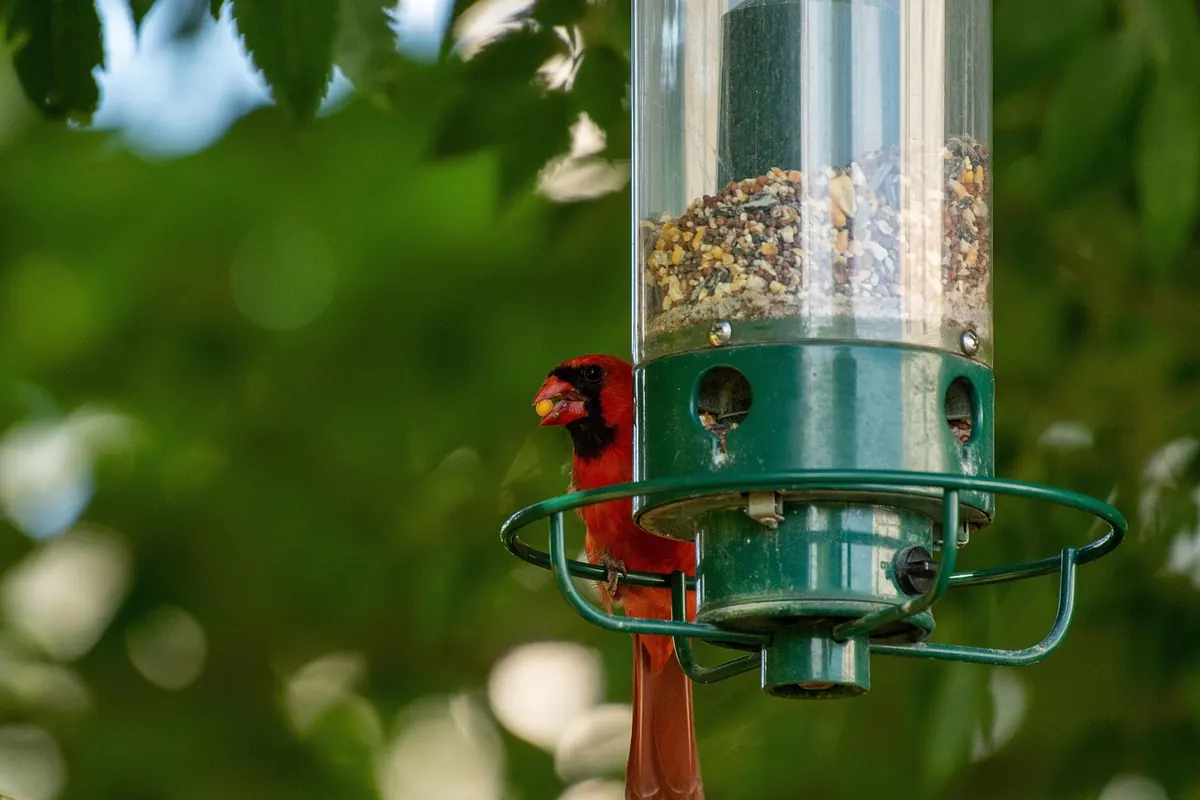
Photo: PilotBrent / Pixabay