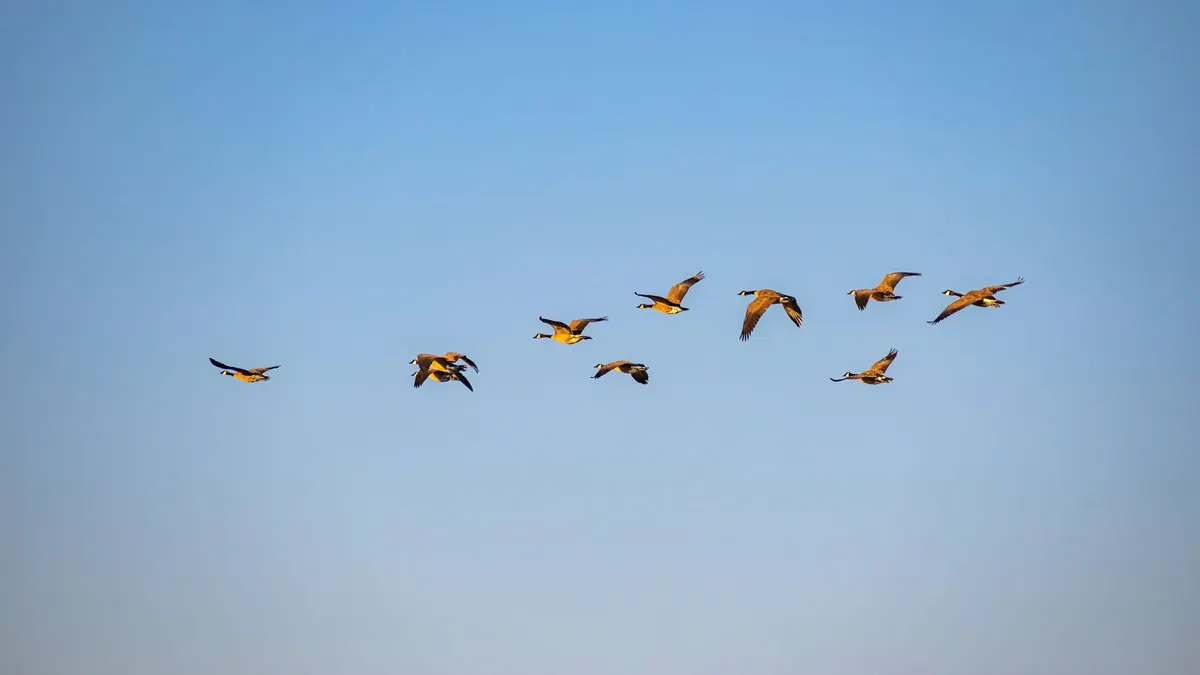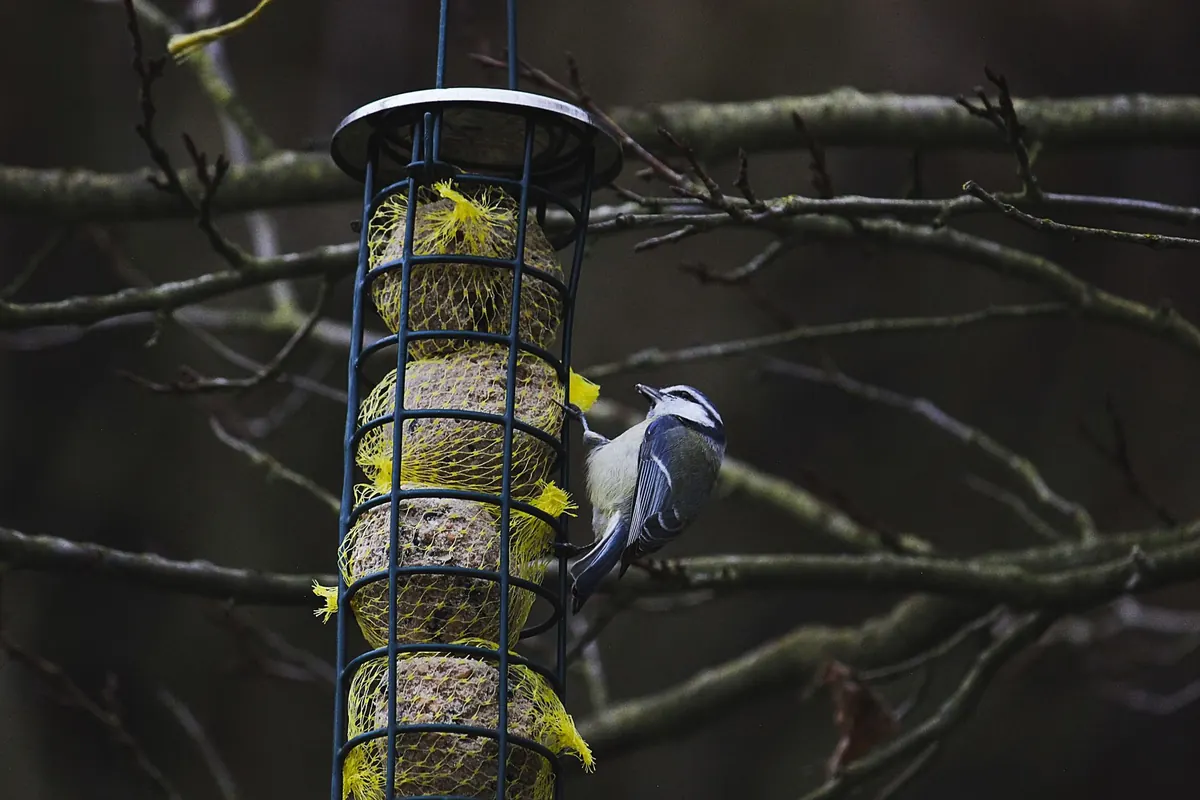
The first entry is always the easiest. A Robin on the fence, a Blackbird turning over leaves on the lawn — you write it down, and suddenly you have a list. Everything after that is a matter of deciding how much detail you want and keeping the habit going long enough for the list to become interesting.
A life list is simply a record of every wild bird species you have identified in your life. It can be a scruffy pocket notebook or a spreadsheet with forty columns. What matters is that you trust it. Here is how to start one you will still enjoy reading in ten years.
Decide what your list is for
Before you choose a notebook or an app, work out what you actually want the list to do. Some birdwatchers want a plain species count. Others want to know where and when they saw each bird, or how their local patch changes through the year.
The common versions are worth knowing, because you may end up keeping more than one:
- Life list — every species you have identified, anywhere
- Year list — species recorded since 1 January
- County or patch list — restricted to a defined area
- Garden list — deliberately small, and often surprisingly long after a few years
If you keep a life list and a year list side by side, your records need to be searchable. That is the strongest argument for using something with a filter rather than a page of ticks.
Choose your recording method
Paper notebook
A small waterproof notebook and a pencil still beat a phone in horizontal rain. Write the date and site at the top of each page, then work down: species, count, notes. The weakness is arithmetic — paper does not add up your totals, and flicking back through a year of scribble to find out whether you have seen a Whinchat is tedious.
Spreadsheet
One row per sighting, with columns for date, species, site, count and notes. Free, flexible and entirely under your control, and you can sort it however you like. You will need to be disciplined about spelling, or you will end up with three versions of the same wader.
Apps and online recording
BirdTrack, run by the British Trust for Ornithology with the RSPB and BirdWatch Ireland, and eBird are the two most widely used in the UK. Both let you record a list for a specific site and time, and both pass records on to the wider recording network. Merlin is useful for identification help, but treat its suggestions as a starting point rather than a verdict, especially with calls.
Whichever route you take, pick one main system. Records scattered across three apps and two notebooks are records you will never count.
What to write down for each bird
- Date, and the time you started and finished
- Location — a site name for everyday birds, plus a grid reference for anything unusual
- Species, using the common name; scientific names are useful if you record abroad
- Count — "1", "3", "c.20" and "flock of 30+" all say something different
- Age and sex where you can tell, such as a drake Goosander or a first-winter Mediterranean Gull
- Notes — behaviour, weather, whether the bird was singing or calling
"Heard only" is a perfectly legitimate record. A Grasshopper Warbler reeling from deep cover counts as a sighting for most listers; plenty of people note it explicitly so the entry explains itself later.
Keeping the list honest
A list is only worth keeping if it is accurate, and accuracy is mostly about being straight with yourself. Be clear about the difference between a bird you identified confidently and one you are eighty per cent sure of. The second belongs in a note, not in the total.
Most UK birders follow a few unwritten rules:
- Do not disturb birds for a better view. Back away from a nest, and never use playback near a breeding territory.
- Keep exact locations of sensitive species to yourself — raptors, rare breeding waders, anything vulnerable to disturbance. Send the record to the county recorder rather than posting it publicly.
- Respect access: stay on paths, close gates, follow reserve notices.
- Be cautious about escapes. The British list separates species that arrive naturally from those that have established themselves here, such as Ring-necked Parakeets, and many listers keep a separate tally for the second group.
- Handle splits consistently. When a species is split into two, add the new one only if your original record clearly matches it.
Being consistent matters far more than being generous.
Sorting and updating your list
Two decisions are worth making early. The first is order: most UK lists follow the British Ornithologists' Union sequence, which groups related species together rather than working alphabetically, so divers and grebes sit near the front and finches near the back. If that feels fussy, alphabetical is fine — just apply it consistently.
The second is how you deal with change. Names get revised, species get split, and a list that simply accumulates new entries without any notes becomes hard to explain. Jot down the date of any change and the source you followed. Future you will be grateful.
Start with the birds you already know
Write down today's birds, including the ones you see every morning. Add a Swift arrival date in May, a first returning Redwing in October, the day the first Chiffchaff sings. Those entries look dull now and become genuinely interesting after three or four years.
Then build the habit rather than the total. Record at the end of every outing, while the details are fresh. Tidy the list once a month: add grid references, fix spellings, chase up anything you marked with a question mark. Keep a patch list as well as a life list, because returning to the same wood or estuary weekly teaches you more than chasing rarities.
Finally, share the records. Submitting to BirdTrack or your county recorder costs a few minutes and puts ordinary sightings from ordinary walks to work, and a garden list sent in regularly is worth more to conservation than a rarity kept in a private notebook.
Photo: Engin_Akyurt / Pixabay