A feeder is a small promise: food here, reliably, at roughly the same time each day. Get the feeder, the food and the position right and your garden becomes a place birds check on their rounds. Get one of them wrong and you will watch a full feeder go mouldy while the tits queue up at next door's. The differences between feeder types matter more than most catalogues admit. A cheap feeder that traps damp will cost you more in wasted seed and vet bills than a well-made one that lasts a decade.
Start with the birds you already see
Before buying anything, spend a week watching. Your regular visitors tell you what to hang. Note which species arrive, where they feed, and how they behave. A pair of robins hopping around the base of a shrub is a clear signal; a flock of goldfinches chattering in a birch is another. This simple audit will save you money and frustration.
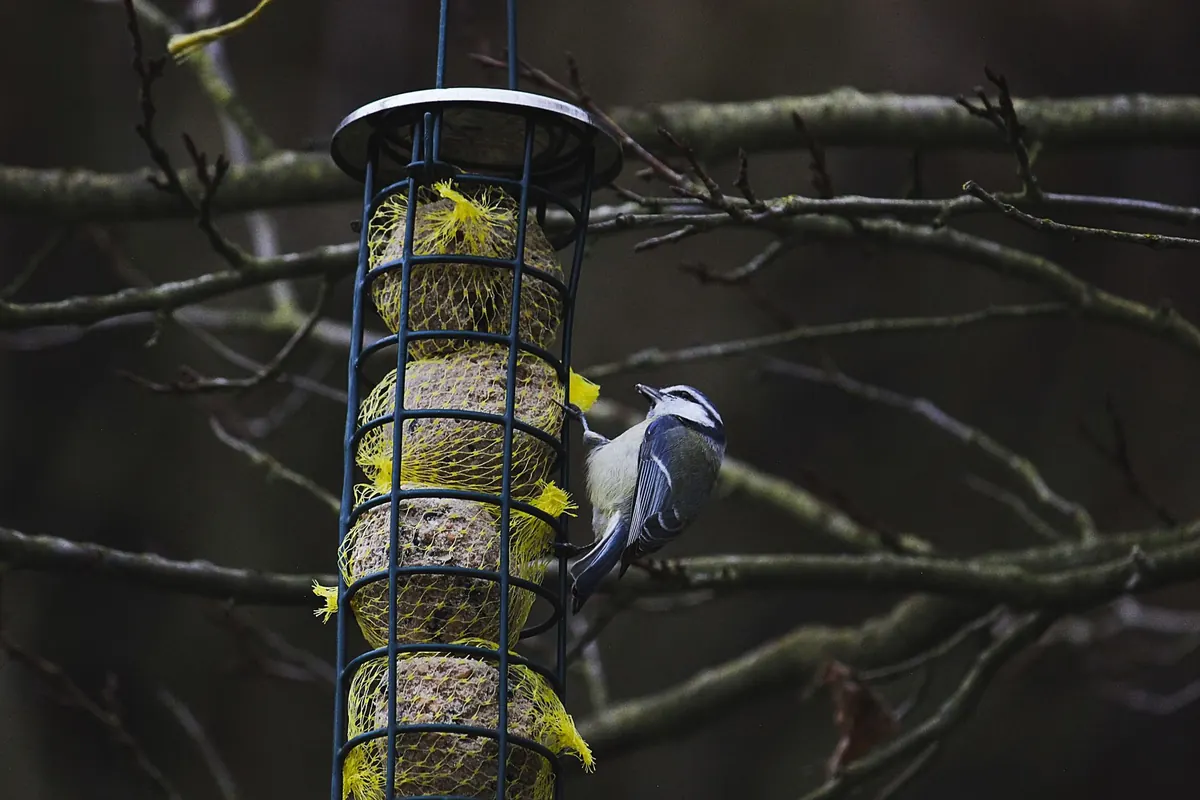
- Blue tits, great tits and coal tits are acrobats. They will use almost any hanging feeder, and prefer sunflower hearts, peanuts and suet. They are quick to investigate new feeders.
- Goldfinches and siskins have fine bills. They want nyjer seed in a purpose-made feeder, or sunflower hearts from small ports with good perches. A feeder with tiny holes and a narrow tray will keep them coming back.
- Greenfinches and chaffinches are heavier. A feeder with a wider perch and a steady base suits them better than a swinging tube. They often prefer to feed from a tray or a sturdy hanging feeder with a large port.
- Robins, dunnocks and blackbirds feed on or near the ground. A tray feeder, or halved apples and soaked raisins under a shrub, will bring them in. They rarely use hanging feeders, so a ground-level option is essential for them.
- House sparrows like company. A multi-port or house-style feeder near a hedge works better than a single dangling tube. They will queue and squabble, so plenty of perches help.
- Starlings will clear a fat ball feeder in an afternoon. A cage around the food, or a weight-activated feeder, gives the smaller birds a chance. Without one, you are simply running a starling canteen.
Two feeders chosen for the birds you actually have will beat six bought at random. If you feed a mix that attracts mostly sparrows and starlings, you will miss the tits and finches that make a garden feel alive.
Feeder types and what each one does well
Hanging seed feeders
The all-rounder, and the one most gardens need first. Buy metal ports rather than plastic, which cracks and traps damp seed, and look for a quick-release base and a lid that lifts off. You will clean it far more often than you expect, so easy dismantling is worth paying for. Fill it with sunflower hearts and almost everything will visit. A good hanging feeder should have a small tray or lip below the ports to catch spilled seed, but not so deep that it collects rainwater. Avoid feeders with long, open perches that let squirrels hang upside down and raid the ports.
Nyjer, peanut and suet feeders
Nyjer is tiny and not cheap, so choose a feeder that holds it without spilling; goldfinches often ignore a new one for a fortnight before finding it, so leave it in place. A dedicated nyjer feeder has very small ports and often a yellow body to signal its purpose. Mesh peanut feeders suit tits and woodpeckers. If you buy fat balls in a net, cut the net off before hanging — birds catch feet and tongues in it. Keep suet out of direct sun so it does not turn rancid. In warm weather, switch to a suet that is formulated for summer, or offer it in a shaded spot and replace it often. Peanuts must always be fresh and unsalted; mouldy peanuts contain aflatoxins that can kill birds.
Tray, ground and window feeders
A tray with a mesh floor lets rain drain and air circulate. Put it on legs or hang it rather than scattering food on open lawn, and clear it daily, as it is the feeder most likely to go sour. Window and balcony feeders are ideal for flats and small gardens, but fix them securely and clean them often — a small feeder against a warm window gets damp quickly. If you have cats, place ground trays near a prickly shrub so birds have a safe retreat. A window feeder can be a joy if you position it so you can watch without pressing your nose to the glass.
Specialist feeders: squirrel-proof and weight-activated
If grey squirrels are a problem, a metal cage feeder or a weight-activated feeder is worth the extra cost. Weight-activated feeders close the ports when a heavy animal lands, so tits and finches can still feed while squirrels and large birds cannot. Caged feeders also keep out starlings and pigeons, giving smaller birds a calm place to eat. Remember that no feeder is completely squirrel-proof; a determined squirrel will chew plastic and hang upside down. Metal construction and a baffle on the pole or hanging wire will help.
What is actually in the bag
Seed mixes vary enormously. Cheap bags are often padded with wheat, barley, split peas and red millet, which most garden birds kick onto the ground, where it either sprouts or feeds rats. Buy for the ingredients that get eaten. Read the label and look for a short list of named seeds, not vague "mixed seed" or "wild bird food".
- Sunflower hearts — the best all-round food: no husks, no mess, taken by nearly everything.
- Nyjer — essential for goldfinches and siskins, but only in a dedicated feeder.
- Peanuts — high in fat and protein, loved by tits and woodpeckers. Buy from a reputable supplier and check for mould.
- Suet balls, blocks and pellets — excellent winter energy, but avoid nets and keep them cool.
- Mealworms — dried or live, a favourite of robins, blue tits and wrens, especially in the breeding season.
- Mixed seed — can work if it contains plenty of sunflower hearts and little filler. Otherwise, it is birdie pot luck.
A bag of sunflower hearts may cost more than a cheap mix, but almost none of it ends up on the lawn. That makes it better value and less attractive to rats.
Where to hang it: position matters
Even the best feeder will fail in the wrong spot. Birds need to feel safe, so place feeders within a few metres of a hedge, tree or shrub that offers cover from sparrowhawks and cats. But not so close that cats can hide underneath and pounce. A distance of two to three metres from cover is a good compromise. Hang feeders at least 1.5 metres above the ground, and ideally higher, to deter cats. If you use a pole, add a baffle to stop squirrels and rats climbing up.
Windows are a major hazard. Either move feeders within one metre of the glass (so birds cannot build up speed) or more than three metres away. Decals and blinds can help, but position is more reliable. Also consider the weather: a feeder in full sun will heat up and spoil seed, while a feeder in a boggy corner will stay damp. A sheltered spot with morning sun and afternoon shade is ideal.
Cleaning and maintenance: the unglamorous bit
Dirty feeders spread disease, especially trichomonosis, which has hit greenfinches hard. Clean hanging feeders every two weeks, and tray or ground feeders every day. Use a mild disinfectant or a solution of one part bleach to nine parts water, rinse thoroughly, and allow to dry before refilling. Wear gloves, and wash your hands afterwards. If you see a sick bird — fluffed up, lethargic, with a swollen neck — take all feeders down for a fortnight and clean them thoroughly. This breaks the cycle of infection.
Replace food that is damp, clumped or mouldy. Never top up a feeder without checking the bottom; old seed at the base is often the first to go off. In hot weather, feed smaller amounts more often. In winter, keep feeders full during cold snaps, as birds rely on them for energy. A little planning and routine will keep your garden birds healthy and coming back.
Choosing a feeder is not about buying the most expensive one. It is about matching the feeder to the birds you have, the food they need, and the spot where they feel safe. Do that, and your garden will become a regular stop on the rounds.
Photo: Krystof Horčík / Pexels